Open Data #2: Introduction to CKAN
 7 Jan 2026
Open Data #2: Introduction to CKAN
In the past, data disclosure by organizations and government agencies was typically carried out by publishing lists of datasets on custom-developed websites. These platforms were often designed for specific purposes and lacked standardized data management capabilities. In 2015, the Digital Government Development Agency (DGA) enhanced and further developed Thailand’s Open Government Data portal, data.go.th, by adopting CKAN, an open-source data management system widely used internationally for powering data hubs and data portals. CKAN was customized and extended to align with national guidelines and operational practices, making data.go.th a reference model for government agencies seeking to implement Open Data platforms. As a result, CKAN has become a widely adopted solution for developing government data portals and data catalog systems across the public sector in Thailand.
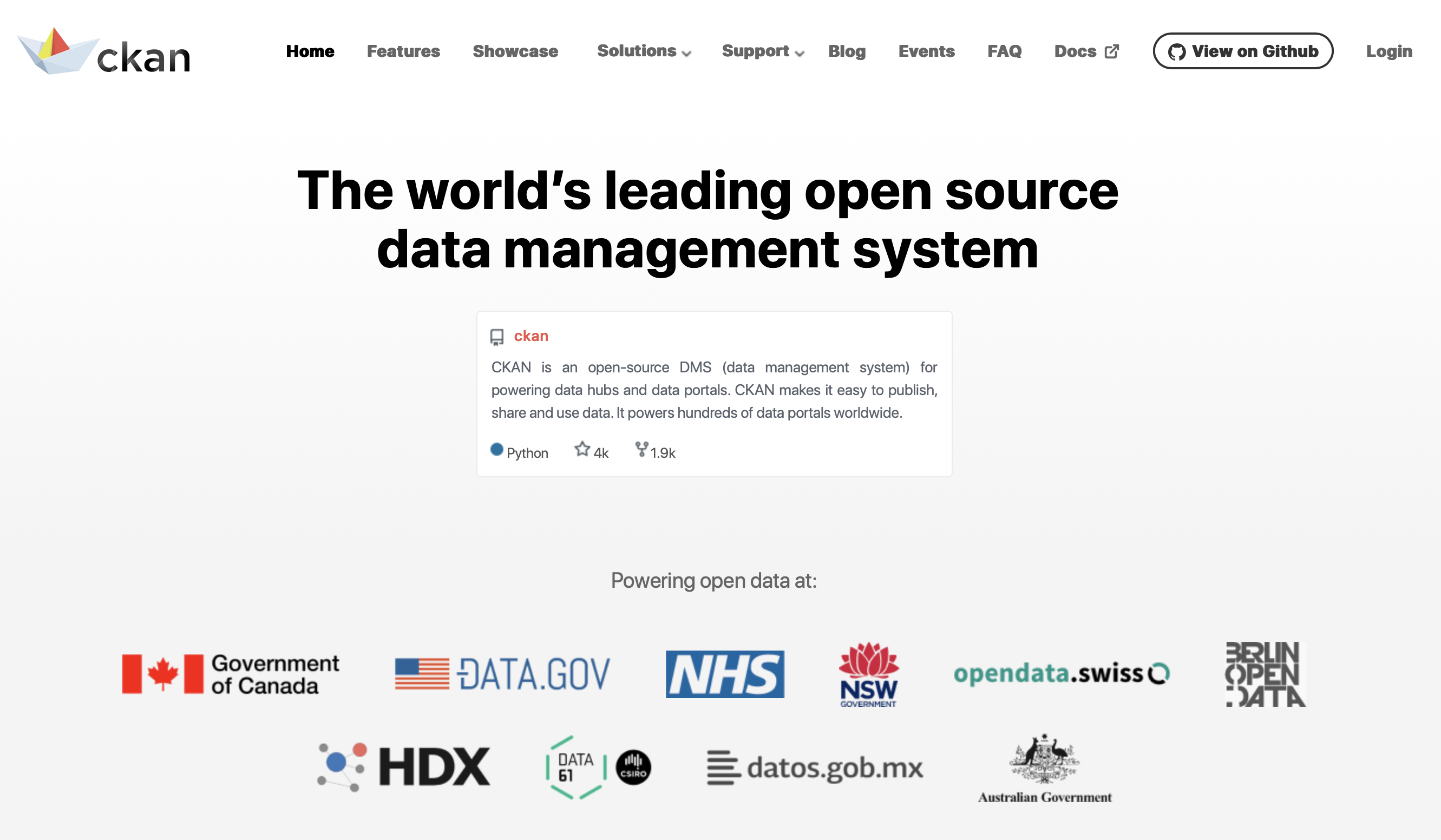 https://ckan.org
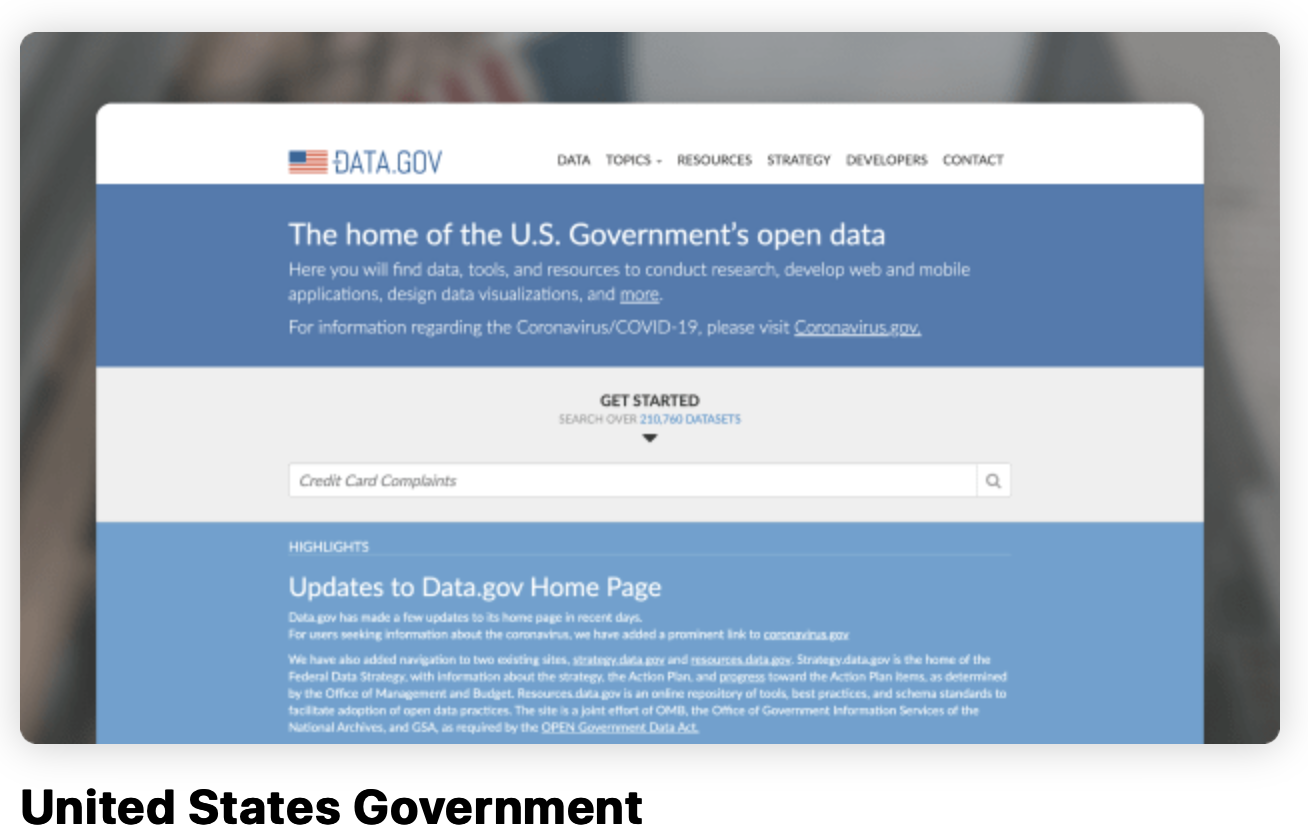
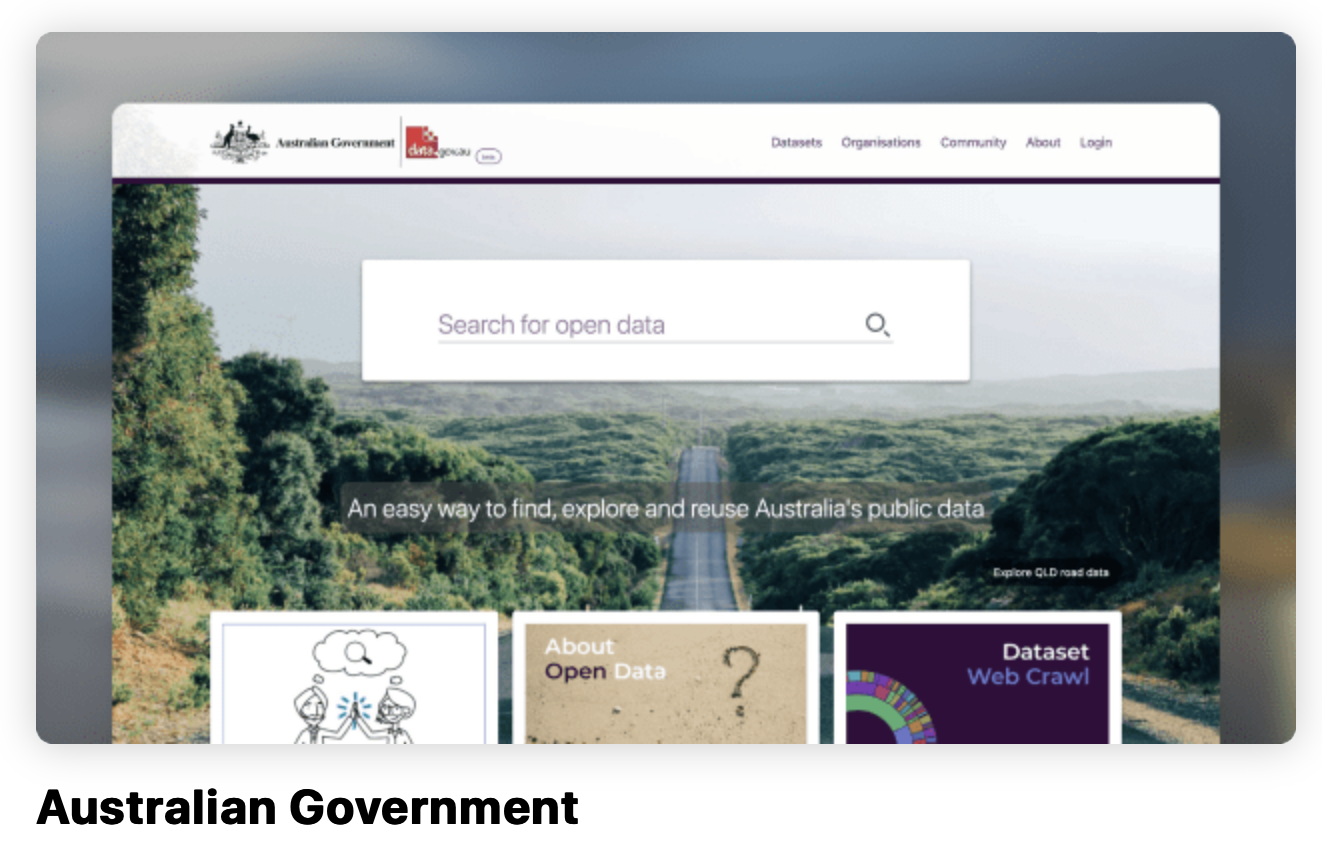
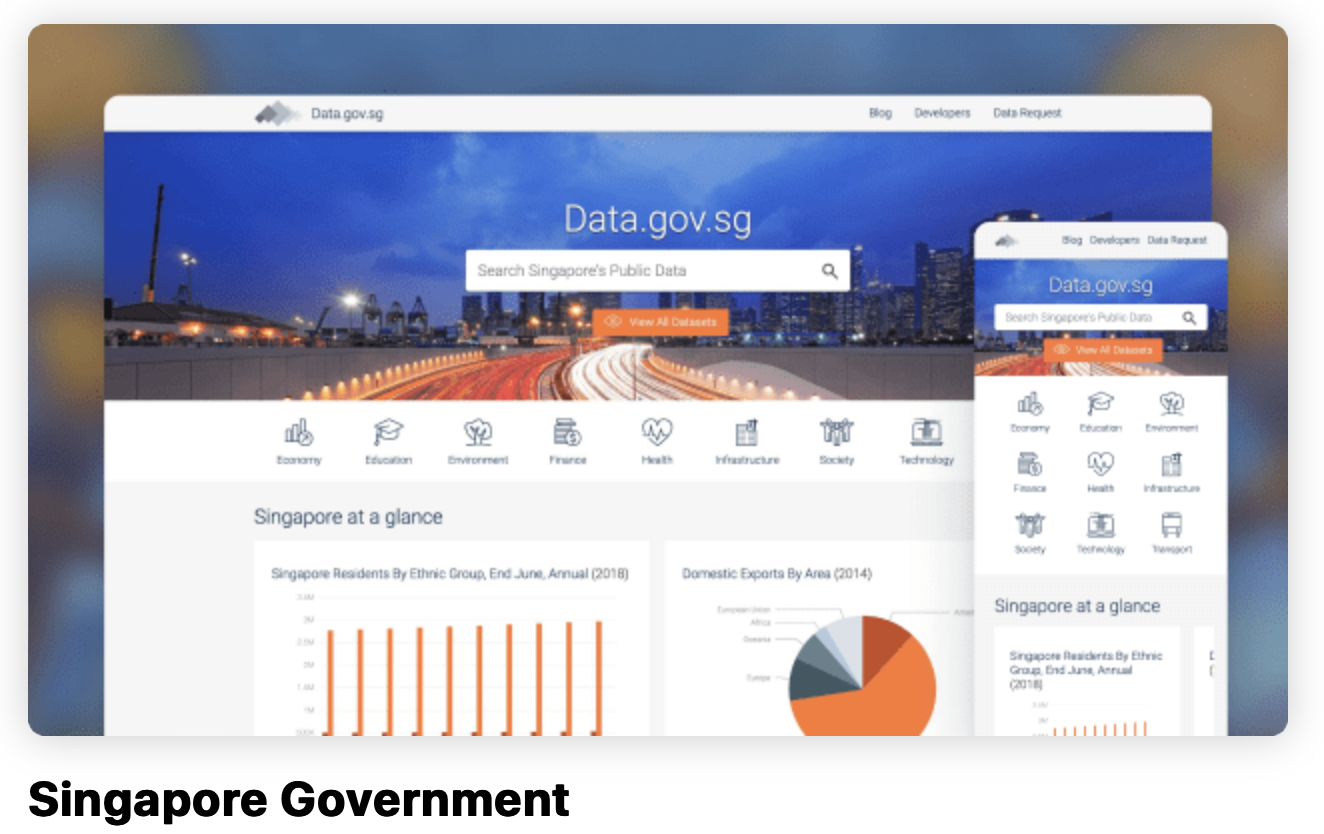
CKAN is an open-source software platform developed by the Open Knowledge Foundation (OKFN). It is designed to support governments and organizations in building and operating Open Data Portals and has been widely adopted across many countries worldwide, including the United States, the United Kingdom, the European Union, Japan, and Singapore. Due to its flexibility, scalability, and strong community support, CKAN has become one of the most popular open-source solutions for data management and data publishing. In addition to CKAN, there are several other Data Catalog and Open Data platforms available today, offered in both open-source and commercial models. Examples include: DKAN Socrata Azure Open Datasets There are also software platforms with similar functionalities focused on data discovery and governance, such as: Collibra OpenMetadata (open-metadata.org) DataHub Each platform offers different strengths and capabilities, allowing organizations to select solutions that best align with their data governance strategies, technical requirements, and operational goals.
All open-source data management platforms have their own strengths and limitations. For example, DKAN is built on the Drupal framework, which many users are already familiar with. It is developed using PHP and MySQL, making it relatively easy to customize and maintain. However, DKAN is owned by NuCivic, a private company, which makes the long-term direction and sustainability of the software less predictable. In contrast, CKAN is developed and maintained by a non-profit organization and is supported by a large global user base. It has a well-established and active developer community that continuously shares knowledge, extensions, and best practices. This strong community support contributes to the platform’s stability and long-term reliability. Although CKAN is developed using Python, which has a smaller developer base in Thailand compared to PHP, it demonstrates a clearer and more trustworthy development roadmap. For these reasons, the Digital Government Development Agency (DGA) selected CKAN as the core platform for developing and enhancing Thailand’s Open Government Data portal, data.go.th.
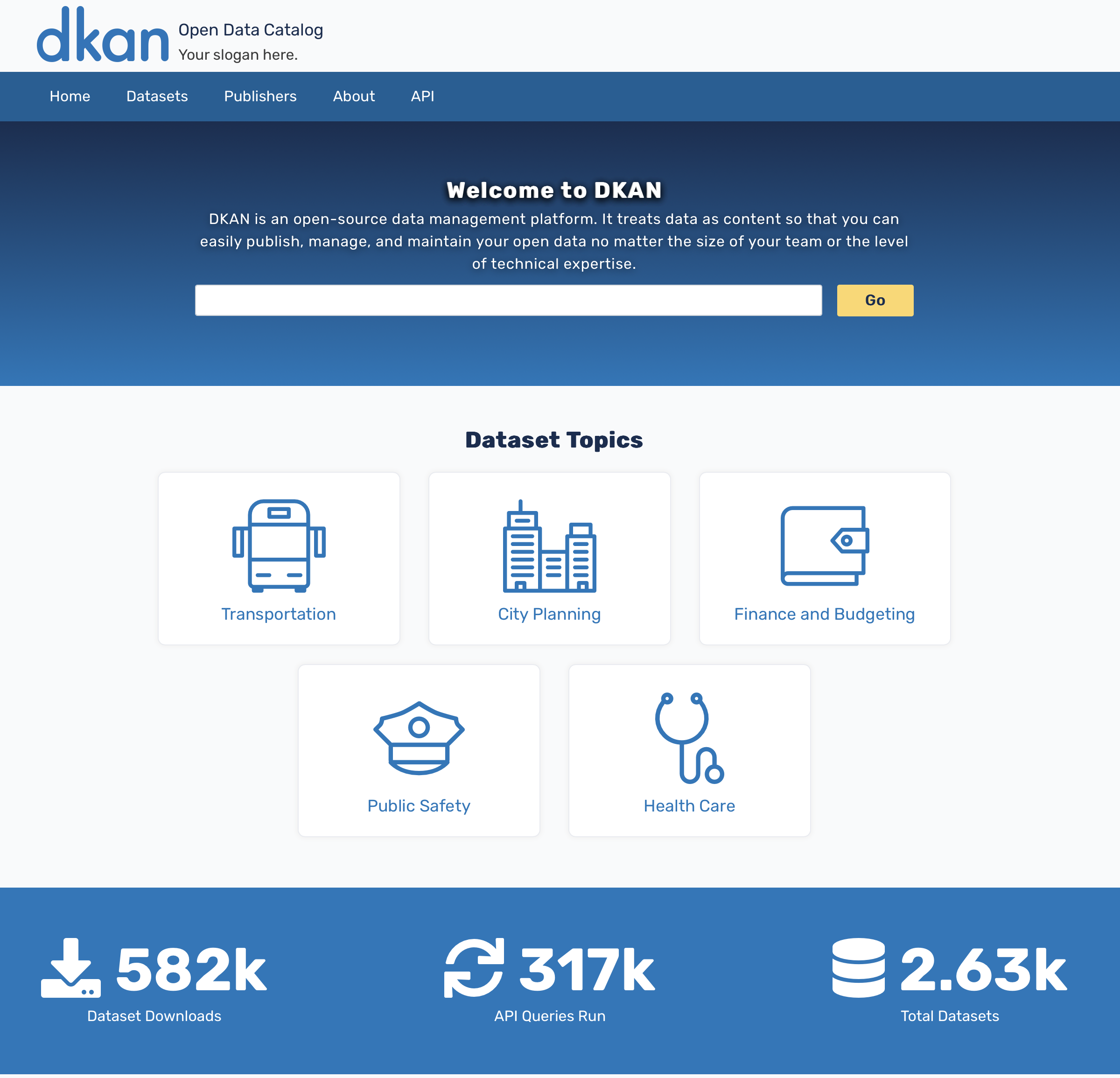 https://acouch.github.io/dkan-site/
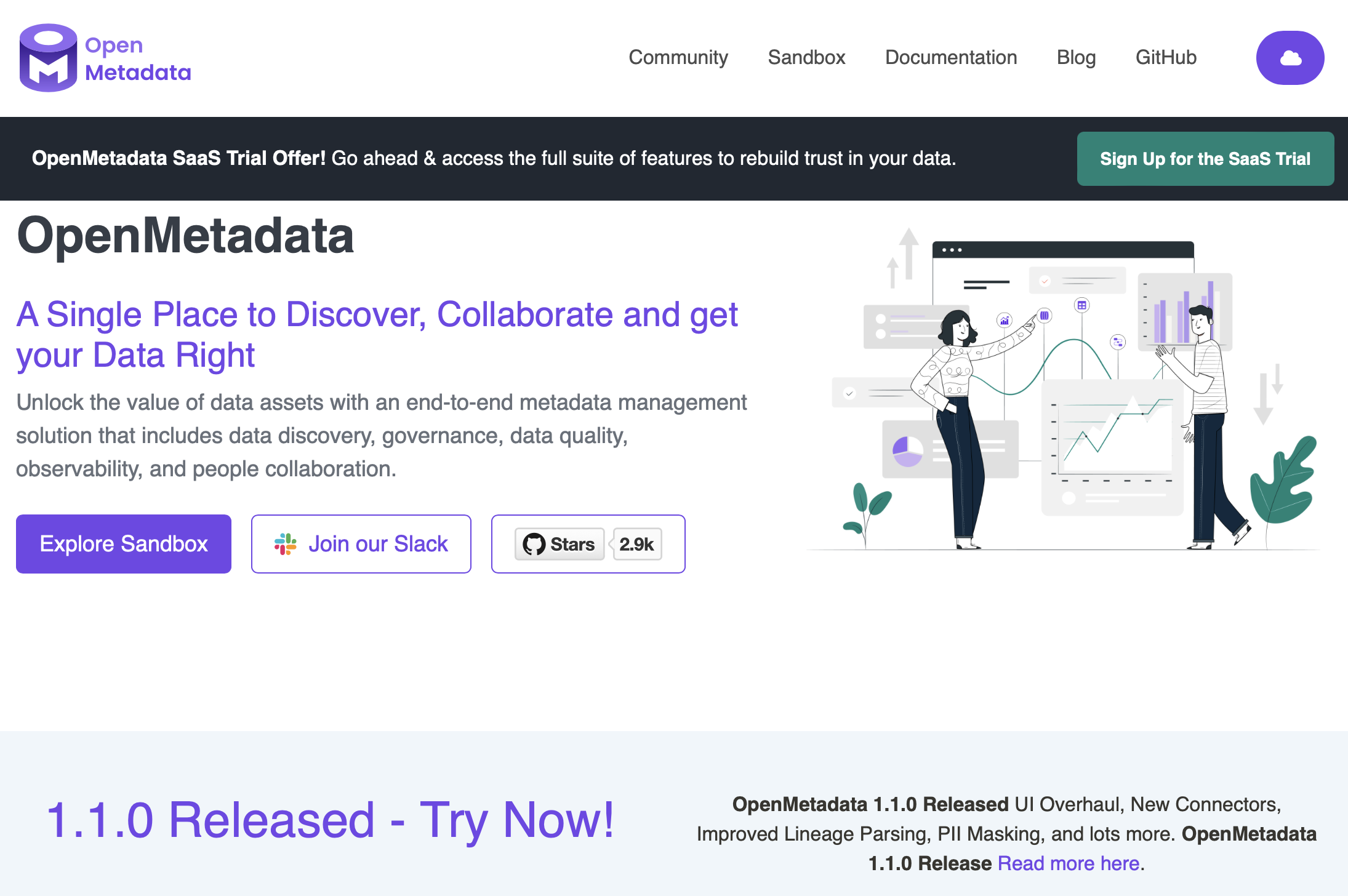 https://open-metadata.org
According to Thailand’s Digital Government Standard on Open Government Data Disclosure in Digital Format (Open Government Data Guideline: DG-STD 12001:2020), government agencies are required to publish or link their open data for public access through the Open Government Data of Thailand portal at data.go.th. This standard establishes clear guidelines and requirements to ensure transparency, accessibility, and effective data utilization across the public sector. (Reference: https://standard.dga.or.th/dg-std/2028/)
In addition, related regulations on the development of the Government Data Catalog require all government agencies to register and link their datasets through the website https://gdcatalog.go.th. (Reference: https://gdhelppage.nso.go.th/p05_01.html) Both systems—data.go.th and gdcatalog.go.th—have been developed based on the CKAN software platform. The National Electronics and Computer Technology Center (NECTEC) plays a key role in supporting and developing data integration mechanisms, including the harvester system, which enables automatic data harvesting from government agencies that use CKAN-based platforms. Furthermore, NECTEC has developed CKAN Open-D, a localized implementation of CKAN designed to support government agencies in Thailand. CKAN Open-D allows agencies to download, install, and use the system in alignment with national Open Data policies and the Thai context, particularly in terms of compliance with government data catalog standards. (Reference: https://www.nectec.or.th/opend/) For these reasons, the development of Open Data platforms across all government agencies in Thailand is based on CKAN. This ensures consistency, seamless data integration, and interoperability across systems. Adopting a common platform also enables standardized data structures, making data easier to access, exchange, and reuse for further analysis, policy-making, and innovation.
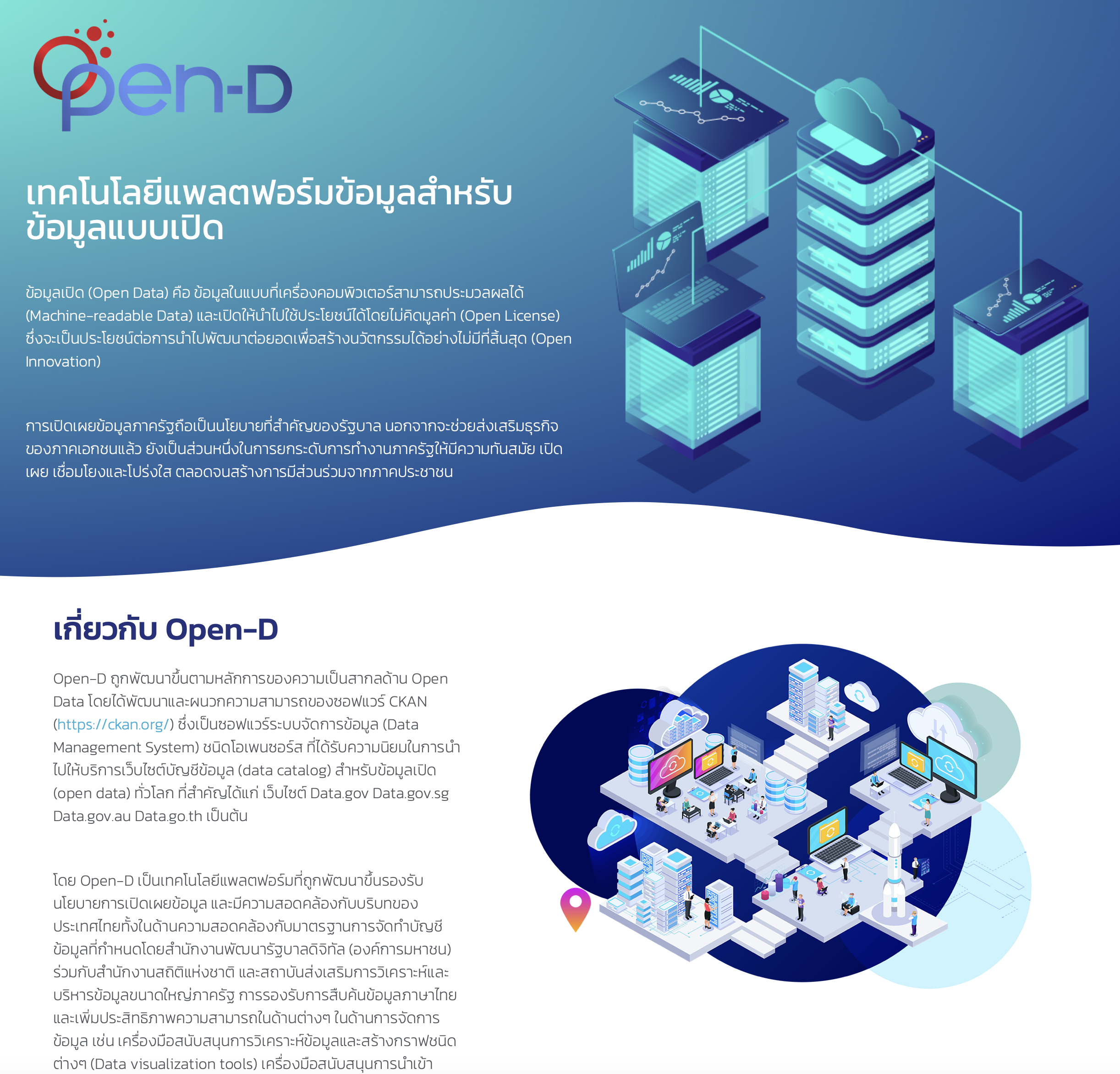 https://acouch.github.io/dkan-site/
In the private sector, many organizations have begun to explore the adoption of CKAN for data management purposes. Rather than focusing solely on public data disclosure, CKAN is increasingly used as a platform for internal data sharing and collaboration across departments within an organization. By implementing CKAN as an internal data catalog or data hub, organizations can improve data discoverability, enhance data governance, and support data-driven decision-making. Use cases and practical examples of CKAN implementation in private organizations will be discussed in greater detail in upcoming articles.